15/6/26
CONDENSATIONS SG26 with SIWW
PART 01
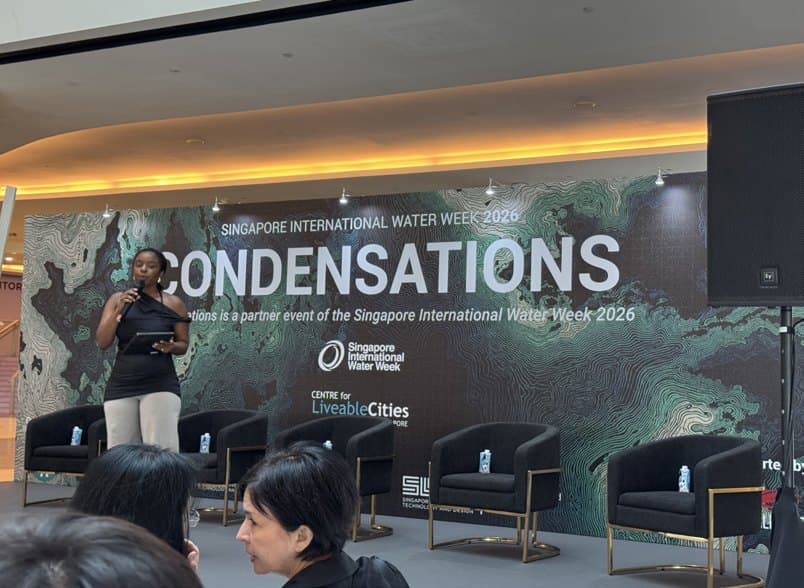
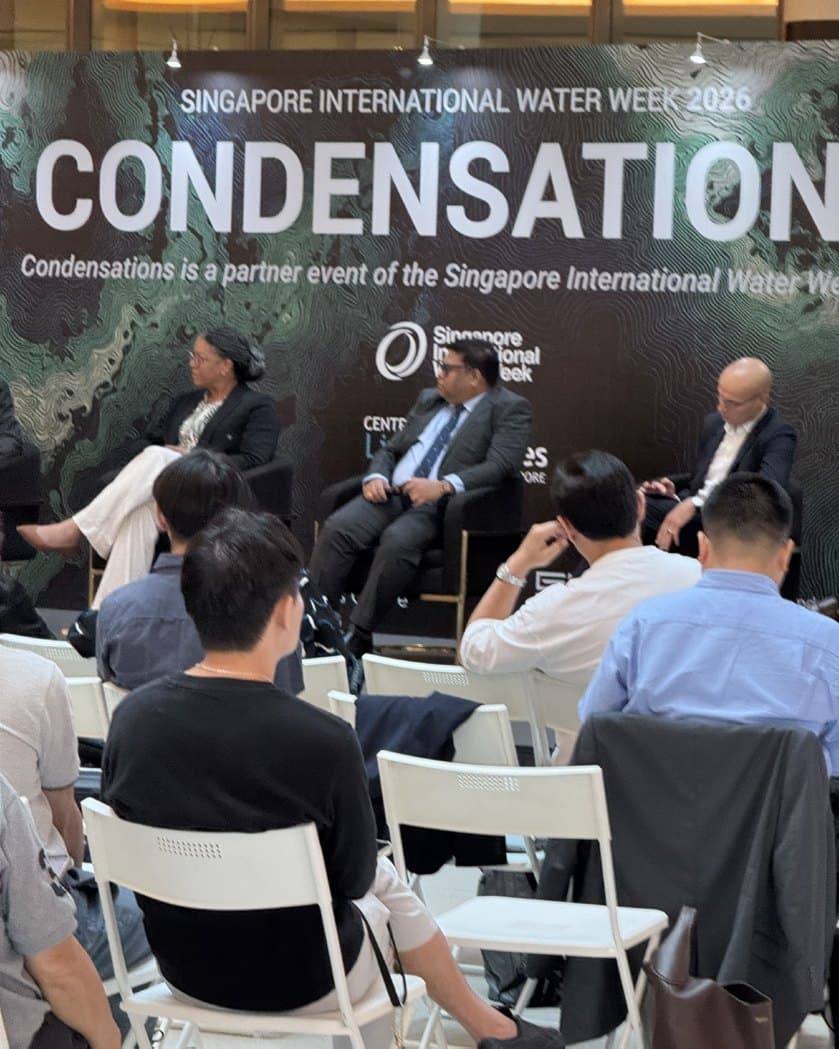
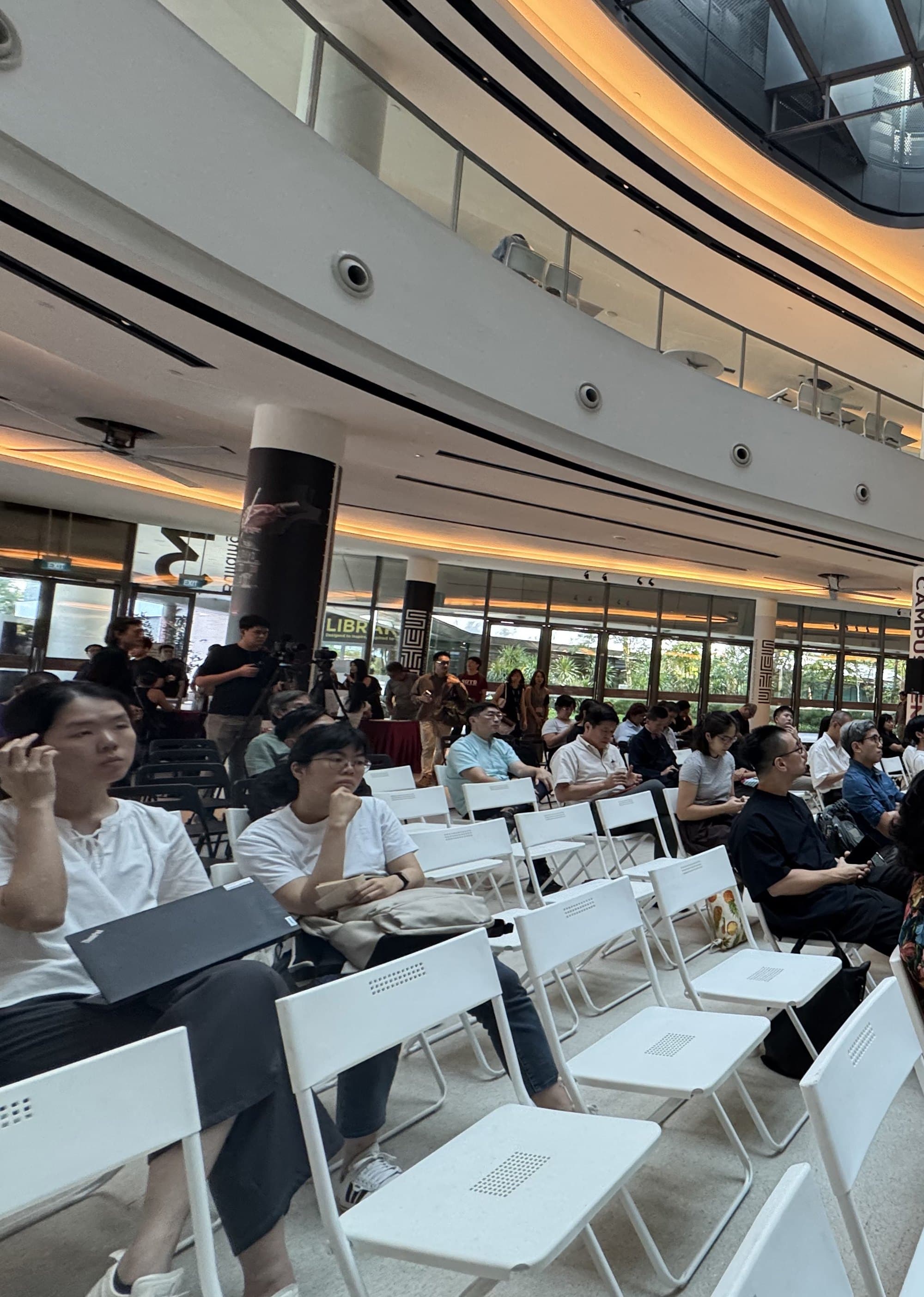
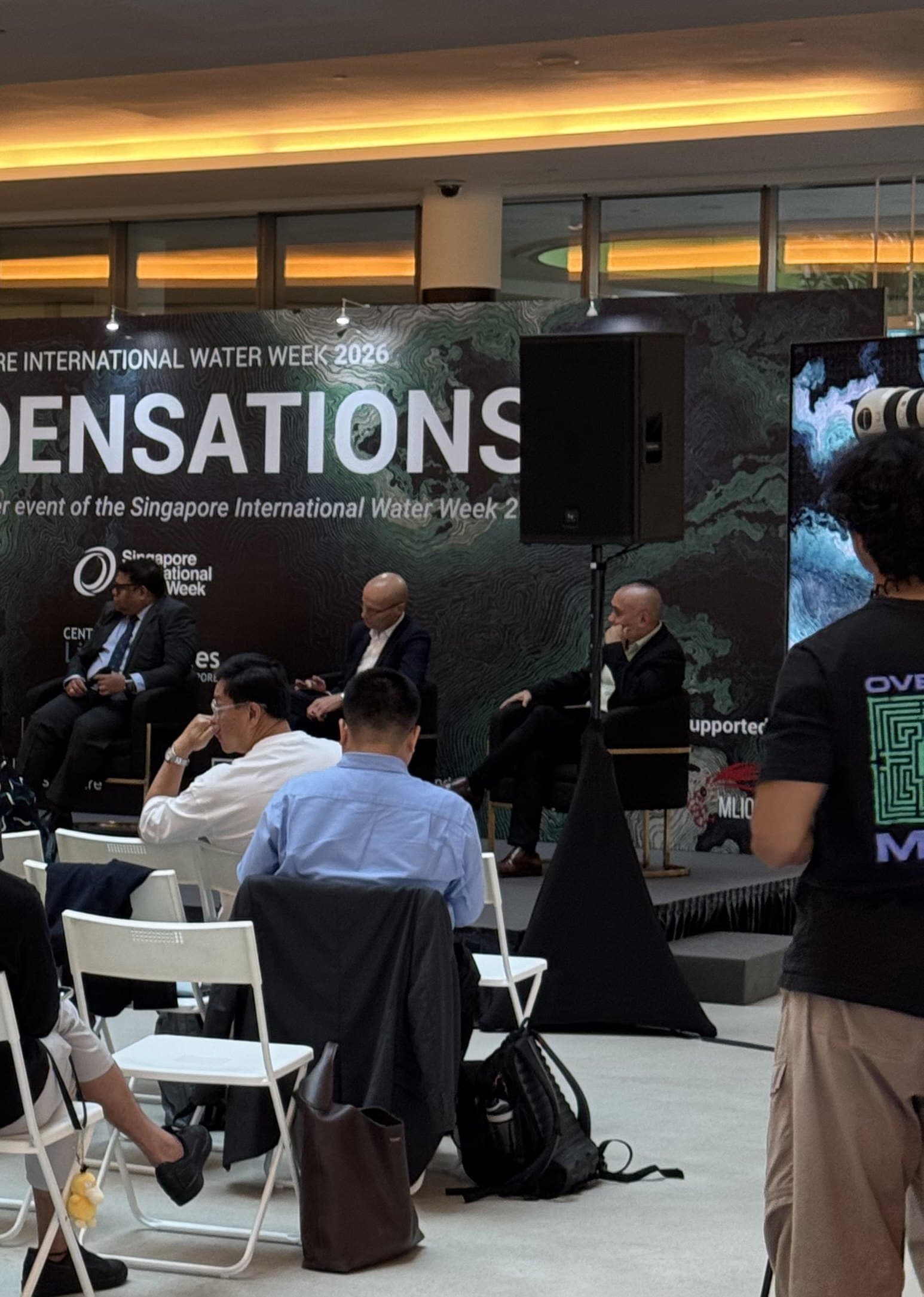
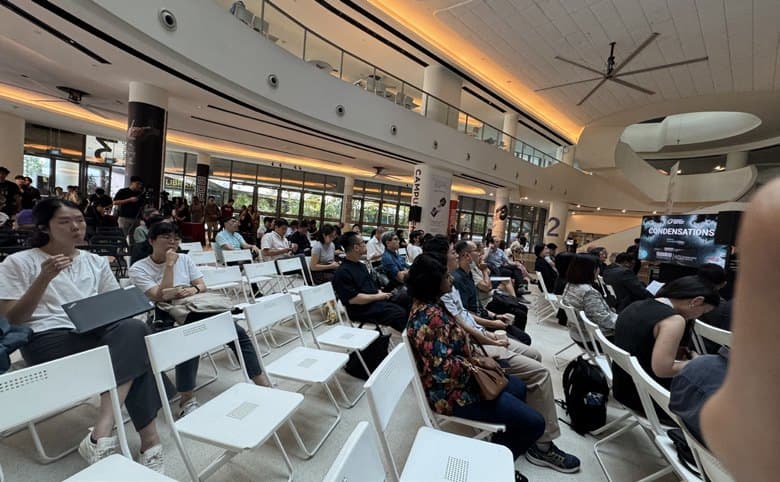
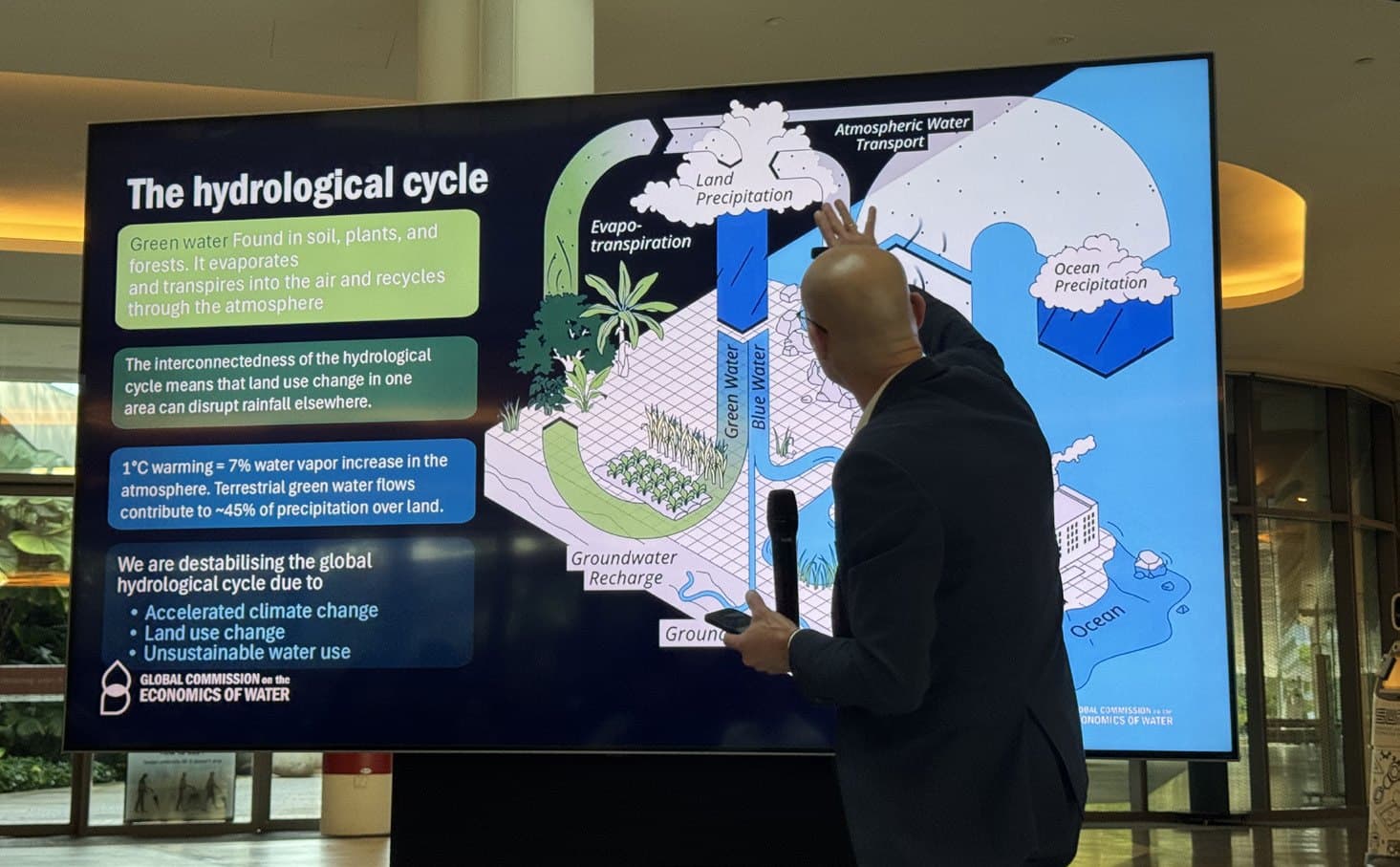
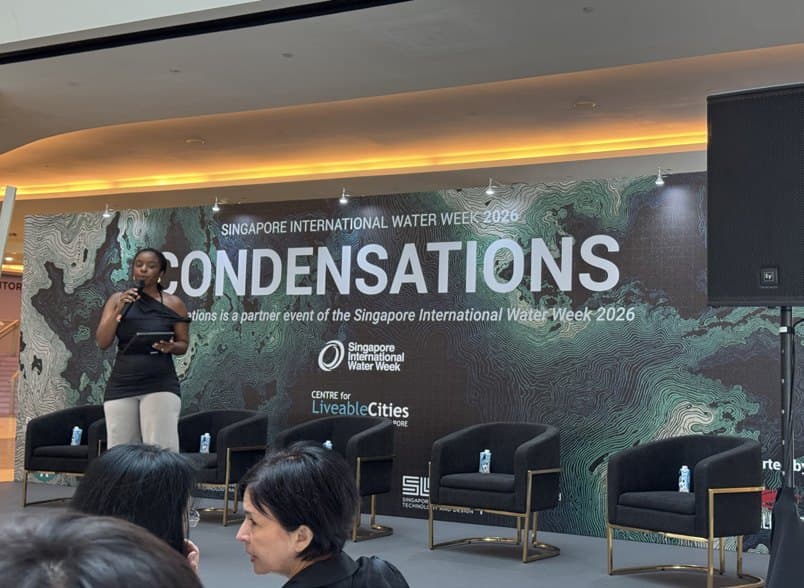
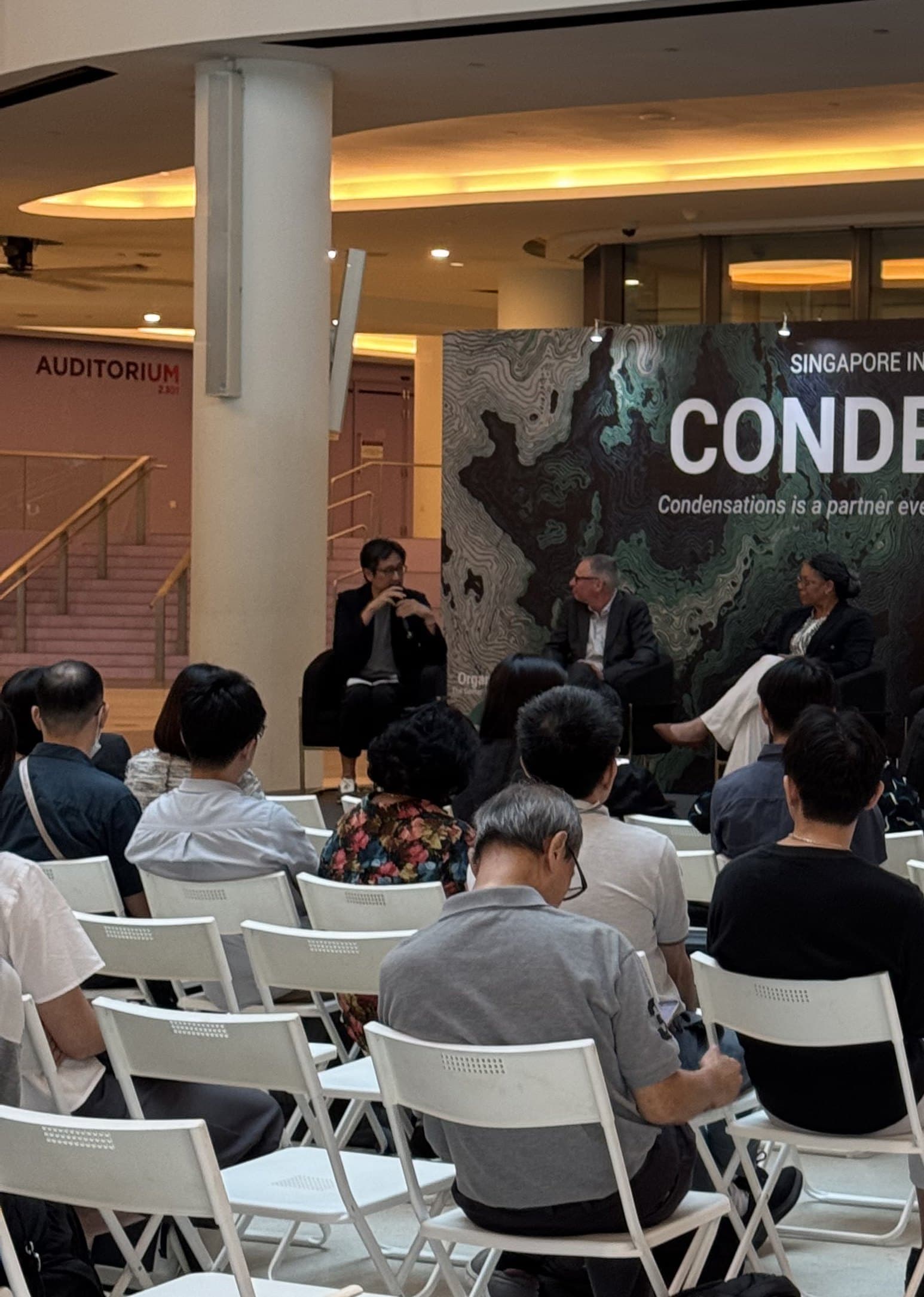
Condensations, part 01, took the form of a symposium held on 15 June 2026 at the SUTD Campus Centre, opening the programme as a partner event of Singapore International Water Week 2026. Participants brought perspectives from design, public agencies, urban practice and finance to the question of a coherent, long-term response to a changing coastline.
The symposium established three linked responsibilities for coastal design: govern change across scales, work with the movement and value of water, and define the public and ecological conditions that protection must sustain. Its significance lies in bringing these responsibilities into a shared discussion. Coastal adaptation requires coordination between spatial proposals, technical knowledge, institutional authority and long-term investment.
The programme positioned design as a means of making those relationships concrete and subject to collective judgement. The discussion framed the responsibilities that the subsequent exhibition and workshop would have to address, through three key questions:
How can coastal protection connect decisions made at the scale of a site with consequences that extend along the shore?
How should buildings and landscapes be organised around connected water functions — and how will those functions be assessed, monitored and maintained?
Who benefits from protection, how does access change, and what obligations does a proposal create over time?
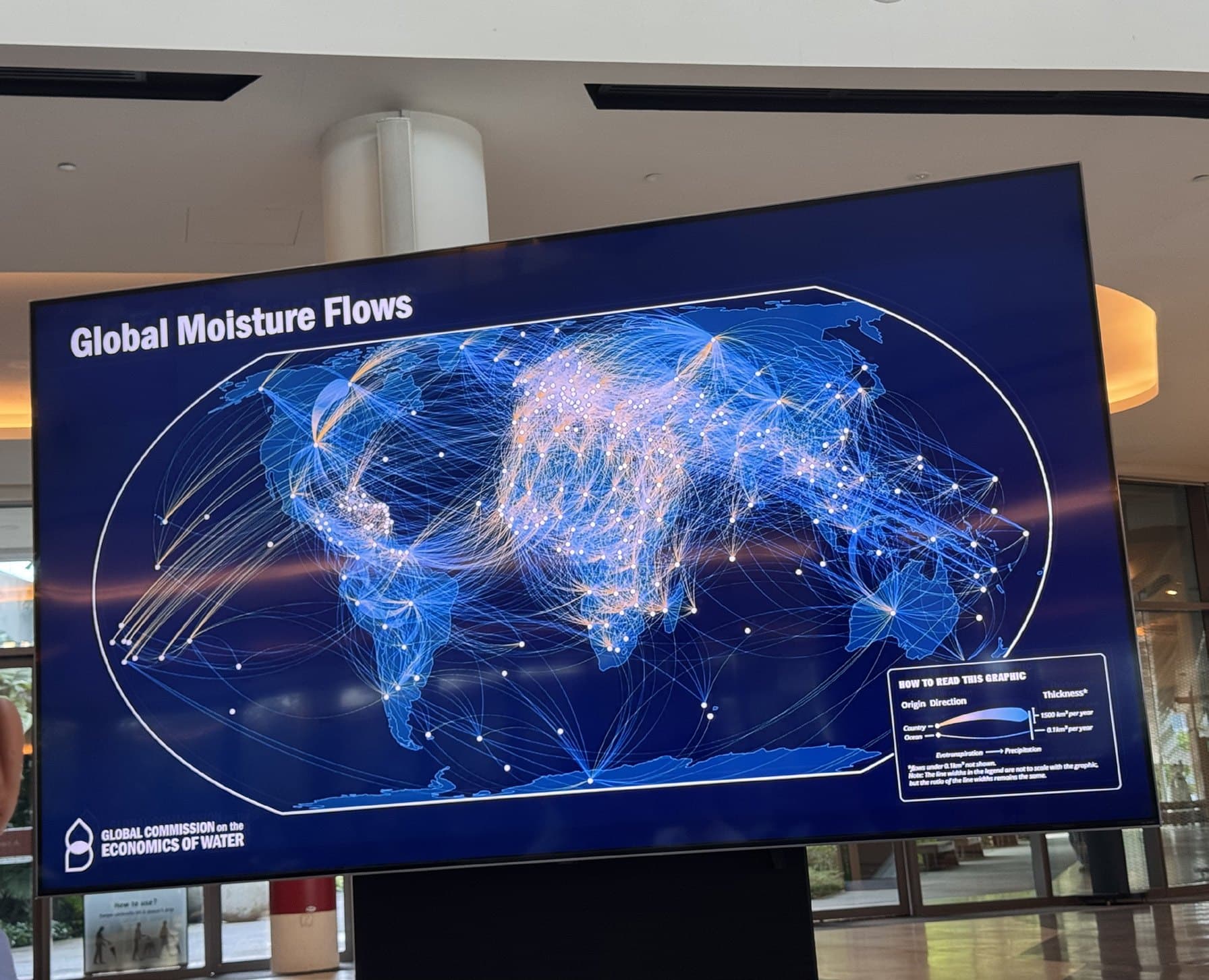
Coastal protection must connect decisions made at the scale of a site with consequences that extend along the shore. The symposium brought global frameworks, metropolitan systems and local places into one discussion, and asked what a coastal proposal should make visible before it can be judged.
What Should A Proposal Make Visible:
Protection: Risk, reliability and the conditions of failure.
Ecology: Water, sediment and the capacity for habitat.
Public Life: Access and the distribution of benefits.
Stewardship: Who builds, inspects, maintains and adapts.